AI-Powered ERP in Nepal — How Smart Businesses Are Automating Operations in 2026
Learn how AI integrated with ERP, CRM, and POS is helping Nepali businesses automate operations, improve customer experience, and make smarter business decisions.
AI-Powered ERP in Nepal — The Future of Business Management Has Already Begun
Artificial Intelligence is no longer something only large multinational companies use. Across Nepal, businesses are beginning to adopt AI-powered ERP systems to automate repetitive work, improve customer relationships, predict inventory needs, and make faster business decisions.
Whether you're running a retail store, distribution company, manufacturing business, or service organization, combining AI with ERP, CRM, and POS creates a smarter way to operate.
Why AI Matters for Nepali Businesses
Many businesses still spend hours preparing reports, checking inventory manually, following up with customers, and entering duplicate data.
AI changes this by helping teams:
- Automate repetitive processes
- Detect business trends instantly
- Improve customer service
- Predict future demand
- Reduce operational costs
- Make decisions using real-time data
Instead of spending time gathering information, business owners can spend more time acting on it.
AI + ERP = Smarter Business Operations
A modern ERP already connects accounting, inventory, purchasing, sales, HR, and finance.
Adding AI makes the system proactive instead of reactive.
1. AI-Generated Business Reports
Instead of manually filtering spreadsheets, AI can automatically generate reports such as:
- Daily sales summaries
- Profit analysis
- Inventory performance
- Department-wise expenses
- Top-selling products
- Cash flow trends
Business owners receive meaningful insights instead of raw numbers.
2. Predictive Inventory Management
One of the biggest challenges for businesses in Nepal is either overstocking or running out of inventory.
AI analyzes:
- Historical sales
- Seasonal demand
- Festivals
- Purchase trends
- Fast-moving products
It can recommend when to reorder products before shortages happen.
This helps reduce unnecessary inventory costs while ensuring products remain available.
3. Smarter Purchase Planning
AI can recommend:
- Which suppliers perform best
- Frequently purchased items
- Best purchasing periods
- Products with declining demand
Procurement becomes data-driven rather than based on guesswork.
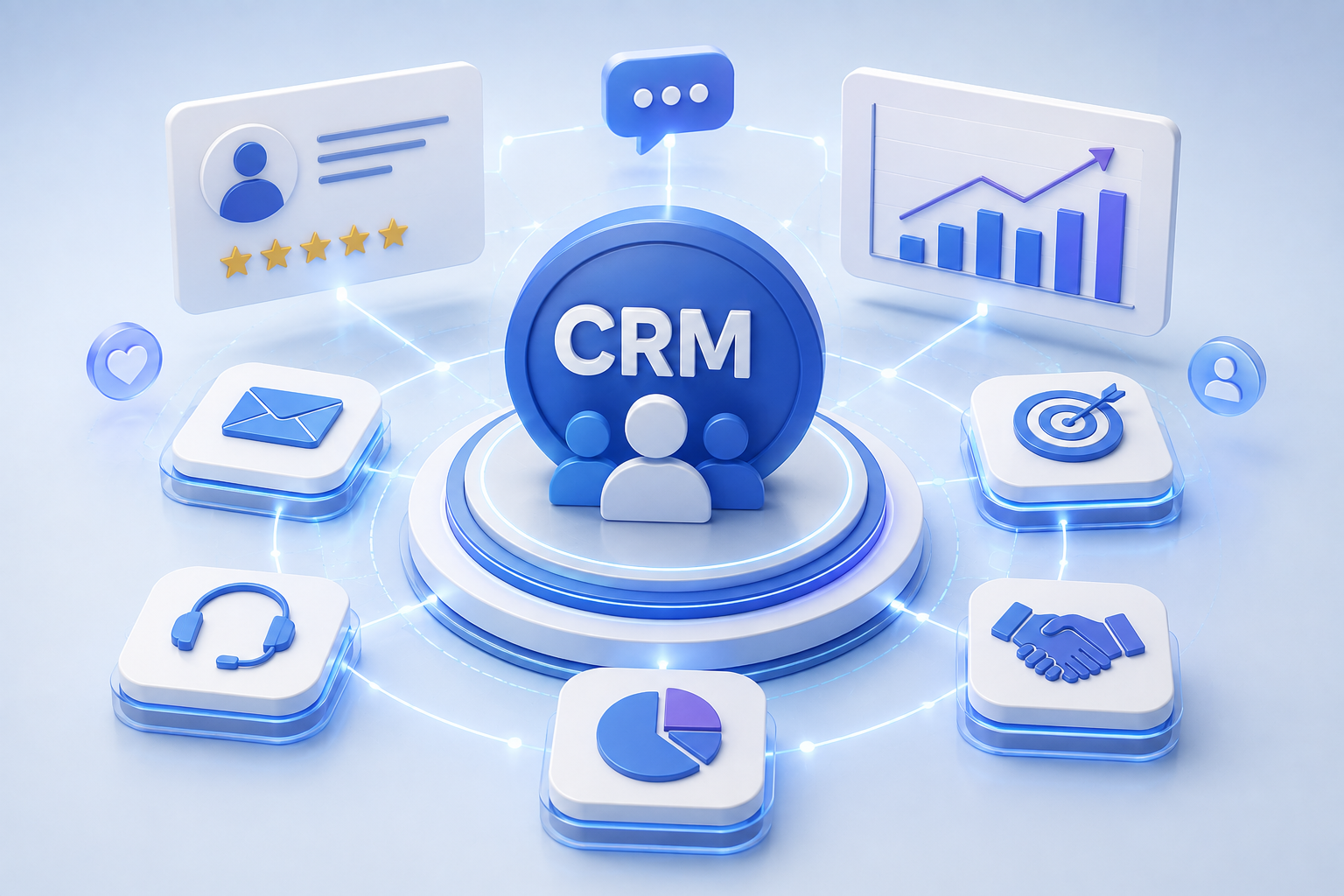
AI-Powered CRM Creates Better Customer Relationships
Customer expectations continue to rise.
Businesses that remember customer preferences build stronger loyalty.
An AI-enabled CRM can automatically:
Smart Customer Segmentation
Group customers based on:
- Purchase frequency
- Spending habits
- Product preferences
- Payment behavior
- Business location
Marketing campaigns become far more targeted.
Predict Customer Churn
AI can identify customers who haven't purchased recently and recommend follow-up actions before they leave.
Instead of losing customers silently, businesses can reconnect with them early.
Personalized Sales Opportunities
AI analyzes previous purchases and suggests:
- Related products
- Upselling opportunities
- Cross-selling recommendations
- Seasonal offers
Sales teams become more productive without manually analyzing customer records.
Intelligent Follow-Up Reminders
The system reminds sales representatives about:
- Pending quotations
- Overdue invoices
- Customer callbacks
- Scheduled meetings
- Renewal opportunities
No important customer interaction gets missed.
AI Makes POS Systems More Intelligent
Modern Point of Sale systems are evolving beyond billing.
When connected with ERP and CRM, AI adds valuable business intelligence.
Real-Time Sales Insights
Instead of simply recording transactions, AI identifies:
- Best-selling products
- Slow-moving inventory
- Peak business hours
- Customer buying patterns
- Store performance
Managers receive instant recommendations to improve sales.
Dynamic Product Recommendations
During billing, the POS can recommend complementary products based on previous customer purchases.
For example:
- Suggest batteries with electronics
- Recommend accessories with mobile phones
- Offer beverages alongside snacks
Small recommendations can significantly increase average order value.
Faster Billing Decisions
AI can highlight:
- Discount eligibility
- Loyalty rewards
- Customer membership status
- Available promotional offers
Cashiers spend less time searching while customers enjoy a faster checkout experience.
Natural Language Reporting
One of the biggest AI innovations in ERP is natural language reporting.
Instead of creating complex reports manually, users simply ask:
- "Which products generated the highest revenue this month?"
- "Show customers with overdue payments."
- "Which branch performed best last week?"
- "What inventory needs replenishment?"
The ERP generates charts, summaries, and insights within seconds.
Business intelligence becomes accessible to everyone—not just accountants or analysts.
AI Supports Better Financial Decisions
Finance teams can use AI to:
- Detect unusual transactions
- Forecast cash flow
- Analyze expenses
- Monitor profitability
- Identify payment delays
Business owners gain greater visibility into financial health without waiting for month-end reports.
AI Assists Field Sales Teams
Sales representatives working outside the office benefit from AI by receiving:
- Suggested customer visit routes
- Priority customer lists
- Follow-up reminders
- Nearby sales opportunities
- Performance insights
Managers can monitor field activities while representatives stay focused on selling.
Benefits for Businesses Across Nepal
AI-powered ERP solutions are valuable for:
- Retail Stores
- Supermarkets
- Wholesale Distributors
- Manufacturing Industries
- Pharmaceutical Companies
- Trading Businesses
- Restaurants
- Educational Institutions
- Healthcare Providers
- Service-Based Companies
As digital transformation accelerates in Nepal, businesses adopting AI today will gain a significant competitive advantage.
Key Business Metrics AI Can Improve
- Sales growth
- Inventory turnover
- Customer retention
- Repeat purchase rate
- Average order value
- Collection efficiency
- Cash flow forecasting
- Purchase accuracy
- Employee productivity
- Decision-making speed
The Future of ERP in Nepal
The next generation of ERP systems won't simply record transactions—they'll help businesses think ahead.
AI will increasingly assist business owners by:
- Predicting demand
- Automating workflows
- Generating reports
- Improving customer experiences
- Optimizing inventory
- Supporting strategic decisions
Businesses that embrace intelligent ERP today will be better prepared for tomorrow's competitive market.
Conclusion
AI is transforming ERP, CRM, and POS from operational software into intelligent business assistants.
Instead of spending valuable time searching for information, Nepali businesses can use AI to uncover opportunities, reduce manual work, and make confident decisions based on real-time insights.
The future of business management in Nepal isn't just digital—it's intelligent.
Experience AI-Powered Business Management
BizForce360 combines ERP, CRM, POS, accounting, inventory, reporting, and AI-driven insights into one powerful platform designed for modern Nepali businesses. Discover how intelligent automation can help your business grow faster while simplifying everyday operations.
See how it works on your own data
Open a demo account — no setup, no sales call.