
ERP Analytics and Reporting — Best Practices
Data-driven decision making is the key to running a successful business on one system. Explore best practices for ERP analytics and reporting that drive real business results.
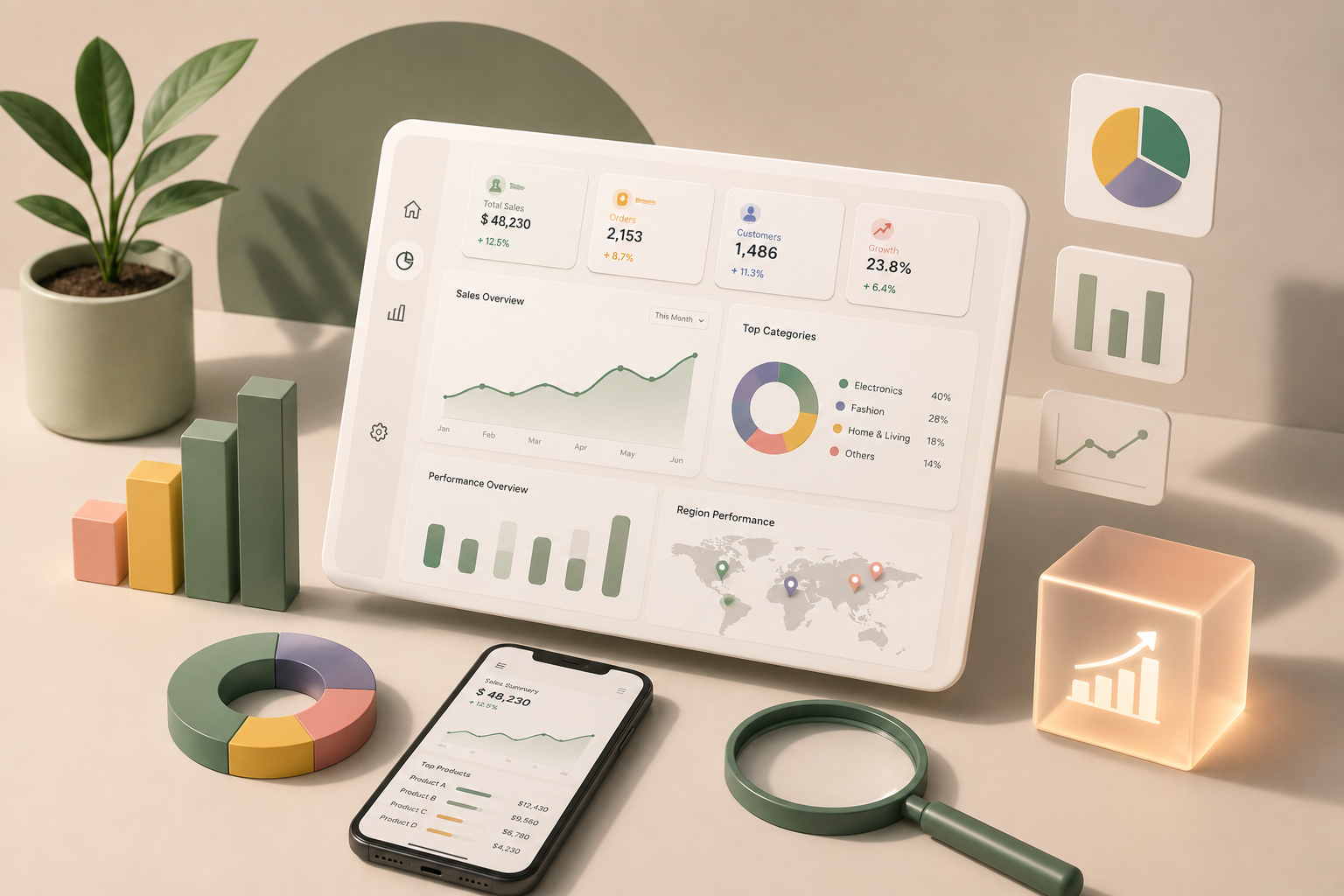
The Role of Analytics in a Modern ERP
In the past, business owners relied on gut feelings and spreadsheets to make decisions. Today, a modern ERP provides objective data that reveals what is really happening across accounting, sales and inventory.
Key Metrics Every Business Should Track
1. Profit and Loss Health
Your P&L statement should be live, not a month-end scramble. Track revenue, cost of goods sold and gross margin continuously to spot trends early.
2. Cash Flow Position
How much cash is coming in versus going out? Real-time visibility into receivables and payables prevents nasty surprises and keeps the business running smoothly.
3. Stock Turnover and Valuation
Know exactly what is in stock, what is slow-moving, and what is at risk of expiring. Batch tracking and reorder alerts help you hold the right inventory.
4. Sales by Channel and Territory
Are field sales, retail and distribution channels all pulling their weight? Branch-wise comparisons reveal where to double down and where to adjust.
5. VAT and Compliance Readiness
Track VAT collected, invoice sequencing and filing status from one report, so tax season is a review instead of a rebuild.
6. Accounts Receivable Aging
Which customers owe money and how overdue are they? Aging reports drive collection efforts and protect cash flow.
Building Effective Reports
Daily Dashboards
Give managers a quick snapshot of today's activities — sales recorded, stock movements, and any exceptions that need attention.
Weekly Performance Reviews
Compare individual and branch performance against targets. Highlight top performers and identify coaching opportunities.
Monthly Strategic Analysis
Dive deeper into trends, territory performance, and long-term metrics. Use these insights to adjust strategies and set new targets.
The Power of Real-Time Reporting
Real-time dashboards allow managers to intervene when needed. If stock is running low at a branch, a manager can trigger a reorder before it becomes a lost sale.
Conclusion
Analytics and reporting transform raw data into actionable insights. By tracking the right metrics and presenting them effectively, businesses can drive continuous improvement.
Unlock the Power of Data with BizForce360
BizForce360 provides comprehensive analytics and reporting tools built into one ERP platform. Request a demo today.
See how it works on your own data
Open a demo account — no setup, no sales call.